Writing
I Tested Whether You Still Need a Web Developer
I built a real, deployed website using Claude Code instead of a developer. Here's what worked, what didn't, and what it means for Cairns businesses
A friend asked me to help with their website. They’re an author, pre-publication, building an audience ahead of a launch. The site was a single Carrd page. Fine for a landing spot, useless for anything with actual sections, structure, or room to grow.
The old answer to ‘what do I do instead’ was: find a developer, brief them, wait, pay, and hope the result is easy to update yourself afterwards. That’s still true for a lot of builds. But it’s not true for all of them anymore, and I think most small businesses in Cairns don’t know that yet.
So I tested it properly, on a real project, not a demo.
What I actually did
I had two options in front of me. Claude Design, which produces a prototype inside a chat, good for seeing an idea quickly but not something you own or host anywhere. Or Claude Code, which works against a real code repository. I wanted something durable, portable, and mine (well, my friend’s) at the end of it. Not something living inside a chat window. Claude Code was the only real choice.
Here’s where it got interesting. I went in expecting to run Claude Code locally, terminal open, the usual developer setup. Partway through I found it now runs as a proper cloud product at claude.ai/code, connected straight to GitHub. No terminal. No local installation. You create an empty repository on GitHub first (the web version works from an existing repo, it won’t create one for you from that screen), then point a Claude Code session at it.
From there:
- I wrote a plain-English brief. What the site was for, tone and genre references, the sections needed, and specifically what to avoid (I didn’t want it defaulting to generic fantasy-cover cliches).
- Claude Code scaffolded a static site straight into the repository, using a proper static site generator rather than a bloated page-builder framework.
- I reviewed it, and kept iterating conversationally. Claude Code can compare its own output against screenshots and correct itself, the same loop a human designer runs.
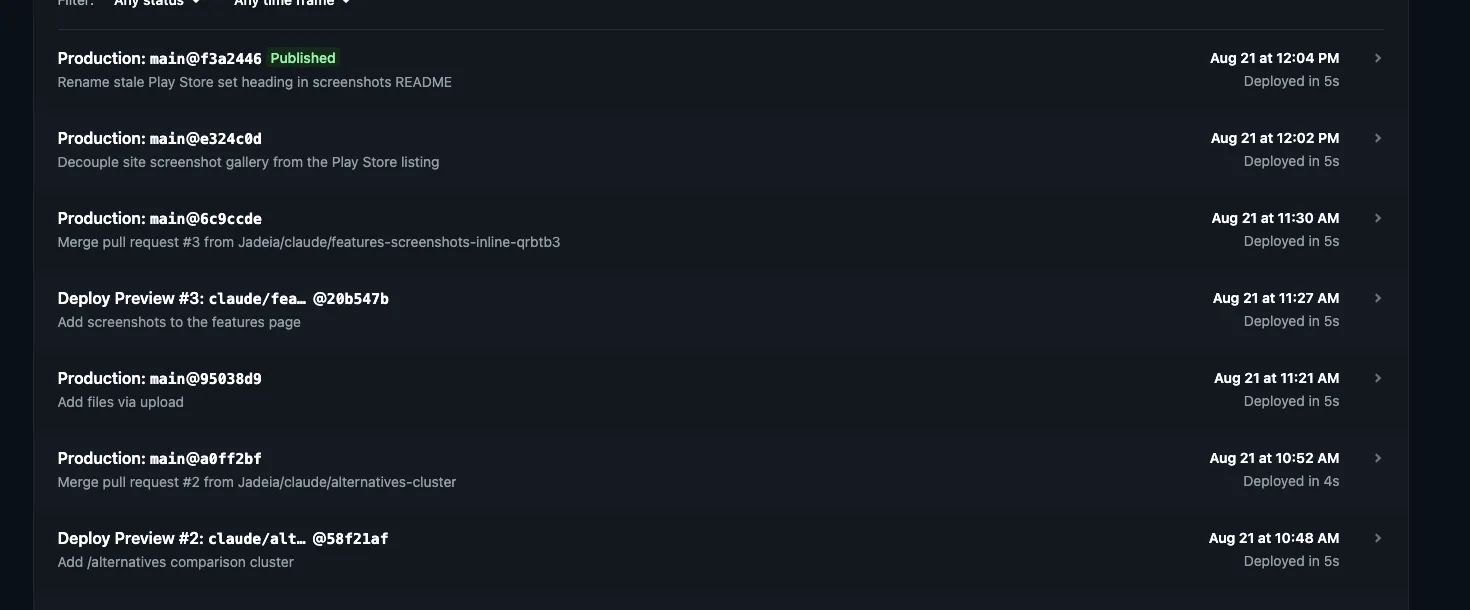
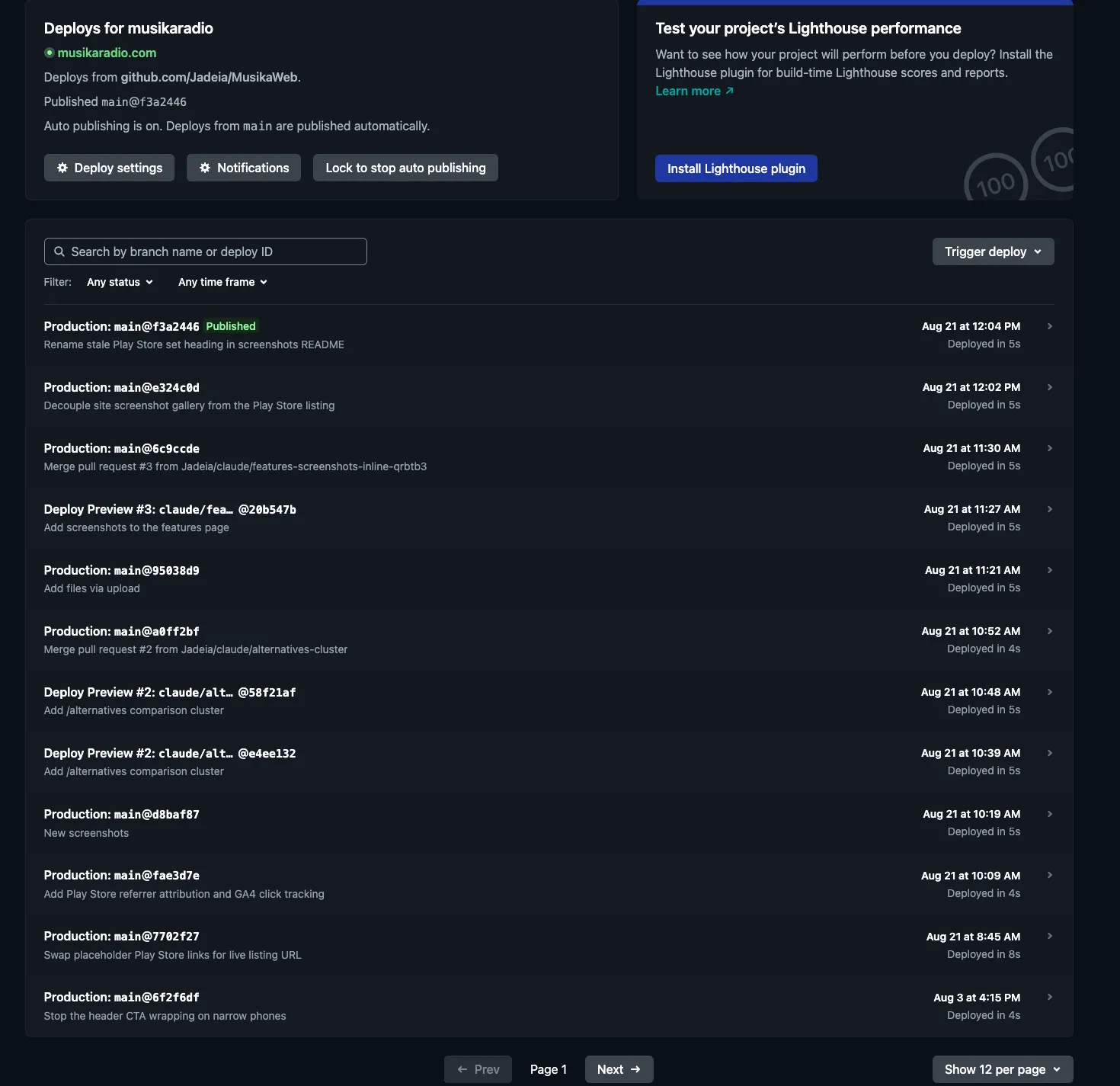
- I connected the repo to Netlify. Free tier. Every push rebuilds and redeploys automatically. Live URL within minutes. Pointed the existing domain at it afterwards.
- Once it was live, I flipped the repo private (no reason for it to stay public) and kept making changes the same way: describe the problem in a sentence, get a fix pushed and redeployed. ‘The footer still shows the old series name, fix that’ was a genuine example.
Total build time, briefing to live: a fraction of what a developer engagement would take, at a fraction of the hosting cost.
Where it breaks down
This is a strong fit for a content-led site: a brochure site, a portfolio, a set of service pages, an about page, a blog. It’s not obviously the right tool yet for anything needing a CMS a non-technical staff member updates themselves day to day, anything with e-commerce, or anything with real interactivity or logic behind it. Those still want a developer, or at minimum a proper platform built for the job.
And ‘no coding background required’ doesn’t mean ‘no judgement required’. You still need to know what a good brief looks like, what to check in the output, and when something’s technically fine but structurally a bad idea for search. It’s a big gap. Arguably the whole gap.
What this means if you run a business in Cairns
Say you run a small tour operation. Your current site is a template from whoever set it up five years ago, or a page builder you’re paying monthly for and can’t really touch. You’ve been told a proper rebuild means finding a developer, briefing them, and hoping it comes out right. I’ve written before about which AI tools are actually worth a Cairns business’s time, and this is the one I didn’t expect to end up on that list: a way to build the site itself, not just the content on it.
That’s no longer the only path. A content-led site (your services, your team, your location pages, tour details, a blog) is exactly the kind of build this handles well. Fast, cheap to host, and it comes with clean markup by default rather than the JavaScript bloat most page builders ship with, which is a genuine technical SEO advantage before you’ve written a word of content.
It’s also not a project you should just hand to a general AI tool and walk away from. Where I think this actually sits for a consultancy like mine is the brief and the review: making sure what gets built is structured properly for search from day one, and that the content strategy behind it isn’t an afterthought.
And to be clear, for plenty of builds the right answer is still a professional web designer. A good one brings design judgement, accountability and ongoing support that no AI tool replaces. I know most of the web designers working in Cairns, I work alongside a few of them on shared clients, and I’m happy to point you at one who suits your build and your budget. If you’re not sure which path fits your situation, that’s worth a conversation before you commit either way.
Get in touch if you’d like to talk this through.